
The Importance of Maintaining Business Vehicles
- benn2industries
- Feb 23
- 4 min read
Owning and operating commercial vehicles is a significant responsibility. These vehicles are the backbone of many businesses, especially those involved in transportation, delivery, and heavy machinery operations. Keeping them in top shape is not just about avoiding breakdowns; it’s about ensuring safety, efficiency, and long-term savings. I want to share why maintaining business vehicles is essential and how you can make the process easier and more effective.
Why Maintaining Business Vehicles Matters
When you rely on commercial vehicles daily, their condition directly impacts your business operations. A well-maintained vehicle reduces the risk of unexpected breakdowns that can cause costly delays. It also helps keep your drivers safe on the road and protects your investment by extending the vehicle’s lifespan.
For example, regular oil changes and brake inspections can prevent major engine or brake system failures. These simple steps save you from expensive repairs and downtime. Plus, vehicles that run smoothly consume less fuel, which lowers your operating costs.
Maintaining business vehicles also helps you comply with safety regulations. Inspections and maintenance records are often required by law, especially for heavy machinery and commercial trucks. Staying on top of these requirements avoids fines and legal troubles.
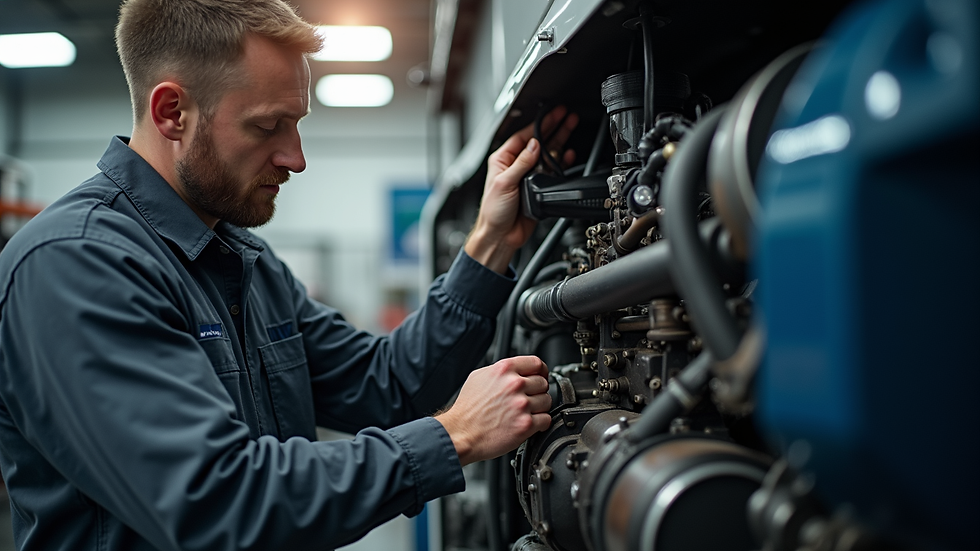
How to Keep Your Business Vehicles in Top Shape
Maintaining business vehicles doesn’t have to be complicated. Here are some practical tips that I’ve found useful:
Create a maintenance schedule: Set reminders for regular checks like oil changes, tire rotations, and brake inspections. Consistency is key.
Train your drivers: Encourage them to report any unusual noises, smells, or performance issues immediately.
Use quality parts and fluids: Cheap alternatives might save money upfront but can cause damage in the long run.
Keep detailed records: Document every service and repair. This helps track vehicle health and supports warranty claims.
Inspect tires regularly: Proper tire pressure and tread depth improve safety and fuel efficiency.
Check fluid levels: Regularly top up engine oil, coolant, brake fluid, and transmission fluid.
If you want to simplify this process, consider partnering with a reliable mobile service provider. They can perform maintenance and repairs right at your location, saving you time and hassle.
What are the 4 types of maintenance?
Understanding the different types of maintenance can help you plan better and avoid surprises. Here are the four main types:
Preventive Maintenance
This involves routine inspections and servicing to prevent breakdowns. Examples include oil changes, filter replacements, and tire rotations. Preventive maintenance is the most cost-effective way to keep vehicles running smoothly.
Corrective Maintenance
This type happens after a problem is detected. It involves fixing issues like replacing a broken part or repairing a leak. While necessary, it’s better to minimize corrective maintenance through regular preventive care.
Predictive Maintenance
Using data and sensors, predictive maintenance anticipates when a part might fail. This approach allows you to schedule repairs before a breakdown occurs, reducing downtime.
Condition-Based Maintenance
This method relies on monitoring the actual condition of vehicle components. For example, checking brake pad thickness or engine temperature to decide when maintenance is needed.
By combining these maintenance types, you can create a comprehensive plan that keeps your fleet reliable and safe.

The Benefits of Professional Mobile Maintenance Services
Mobile maintenance services are a game-changer for busy vehicle owners. Instead of driving your commercial vehicles to a shop and waiting around, a mobile technician comes to your location. This convenience saves you time and keeps your operations running smoothly.
Here’s why I recommend mobile services:
Flexibility: Schedule maintenance at your convenience, even during off-hours.
Reduced downtime: Vehicles spend less time out of service.
Expertise: Skilled technicians handle everything from routine checks to complex repairs.
Cost savings: Avoid towing fees and reduce lost productivity.
Personalized service: Technicians get to know your fleet and can tailor maintenance plans.
For businesses in Douglas and Lane County, Oregon, mobile services are especially valuable. The region’s mix of urban and rural areas means traveling to a repair shop can be time-consuming. Mobile maintenance brings the shop to you, wherever your vehicles are.
Tips for Choosing the Right Maintenance Partner
Selecting the right maintenance provider is crucial. Here are some tips to help you make the best choice:
Check credentials: Ensure the company is licensed and insured.
Look for experience: Choose providers familiar with commercial vehicles and heavy machinery.
Read reviews: Customer feedback can reveal reliability and quality of service.
Ask about mobile capabilities: Confirm they offer on-site repairs and maintenance.
Compare pricing: Get quotes but don’t sacrifice quality for the lowest price.
Evaluate communication: A good provider keeps you informed and responds quickly.
Partnering with a trusted maintenance service helps you focus on your core business while keeping your vehicles in excellent condition.
Keeping Your Fleet Safe and Efficient Every Day
Maintaining business vehicles is an ongoing commitment. It requires planning, attention, and sometimes outside help. But the rewards are worth it: safer roads, lower costs, and a more reliable fleet.
If you want to learn more about how to keep your vehicles running smoothly, consider exploring commercial vehicle maintenance options that fit your needs. Taking proactive steps today will pay off in fewer headaches and better business performance tomorrow.
Remember, your vehicles work hard for you. Returning the favor with proper care is the smartest investment you can make.


Comments